Deepfake: Ketika "Seeing is Believing" Tak Lagi Berlaku

Pendahuluan Dulu, bukti video adalah raja. Kalau ada videonya, berarti itu fakta. Tapi hari ini? Video Presiden AS pidato pakai bahasa Sunda atau wajah temanmu ditempel ke badan aktor Hollywood bukan lagi hal mustahil. Selamat datang di era Deepfake.
Deepfake bukan sekadar filter Instagram. Ini adalah manipulasi media berbasis kecerdasan buatan (AI) yang mengubah persepsi realitas kita. Tapi dari mana asalnya, dan seberapa bahaya teknologi ini?
1. Asal Usul: Dari Akademisi ke Reddit Istilah "Deepfake" adalah gabungan dari Deep Learning dan Fake. Meski teknologi dasarnya (Generative Adversarial Networks atau GANs) diperkenalkan oleh Ian Goodfellow pada 2014, istilah ini baru meledak pada akhir 2017.
- The Reddit Origin: Semuanya bermula dari seorang user Reddit dengan nama pengguna "deepfakes". Dia merilis software open-source yang memungkinkan wajah selebriti ditempel ke tubuh aktor film dewasa. Sejak saat itu, kotak Pandora terbuka.
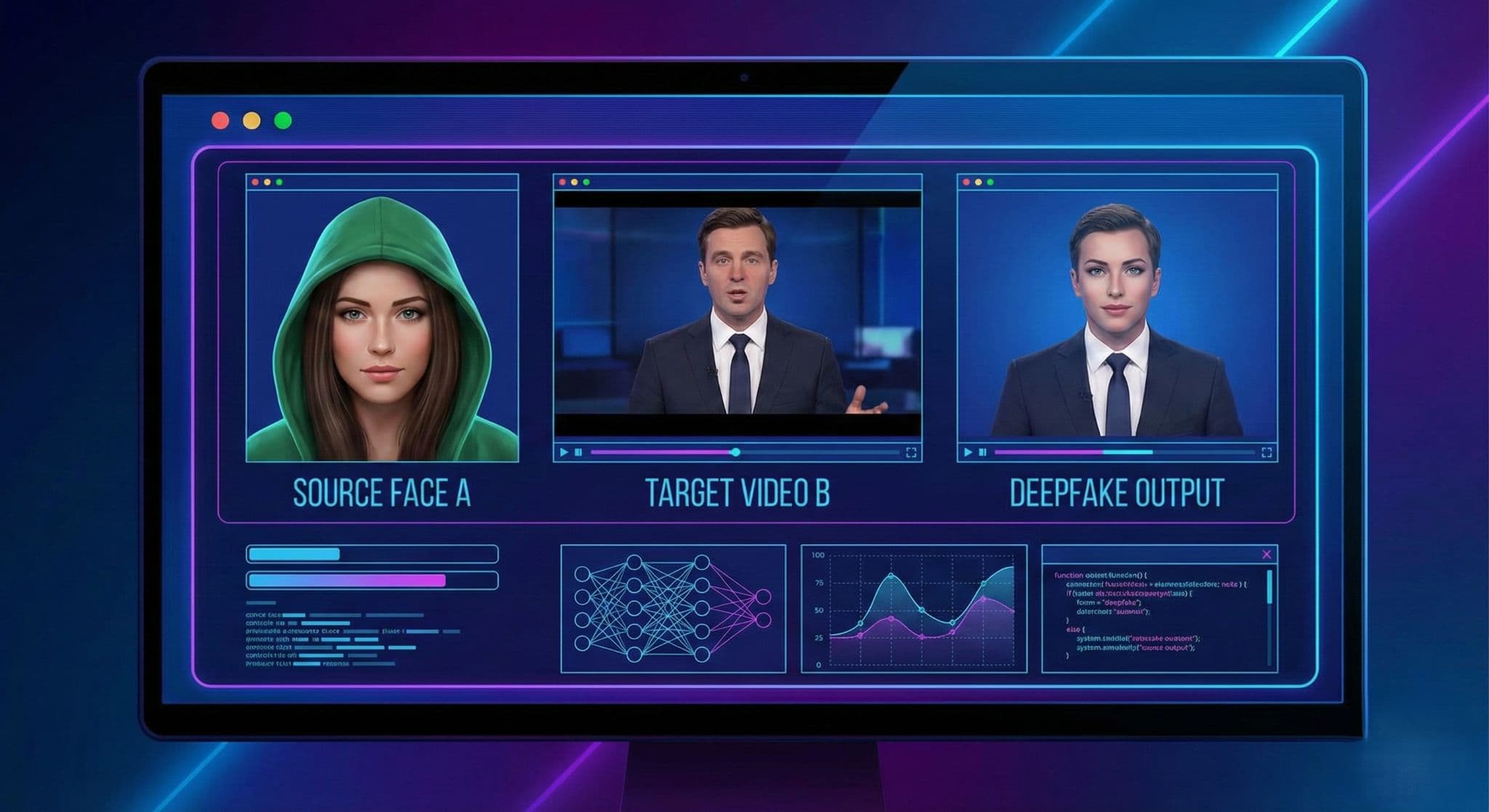
2. Cara Kerja: Pertarungan Dua AI Deepfake bekerja menggunakan GANs (Generative Adversarial Networks). Bayangkan dua mesin yang saling berkompetisi:
- The Generator: Bertugas memalsukan gambar/video.
- The Discriminator: Bertugas mendeteksi mana yang asli dan palsu. Dua mesin ini saling "bertarung" jutaan kali sampai si pemalsu (Generator) begitu jago hingga si detektif (Discriminator) gak bisa lagi membedakan mana yang palsu.
3. Sisi Terang (Fungsi Positif) Gak semuanya jahat. Di tangan profesional, Deepfake adalah revolusi:
- Industri Film: Disney menggunakannya untuk memudakan wajah Harrison Ford di Indiana Jones atau menghidupkan kembali Luke Skywalker.
- Aksesibilitas & Edukasi: Museum Dali menggunakan teknologi ini untuk "menghidupkan" Salvador Dali agar bisa menyapa pengunjung.
- Voice Cloning: Membantu pasien penderita ALS (seperti Val Kilmer) untuk mendapatkan kembali suara asli mereka.
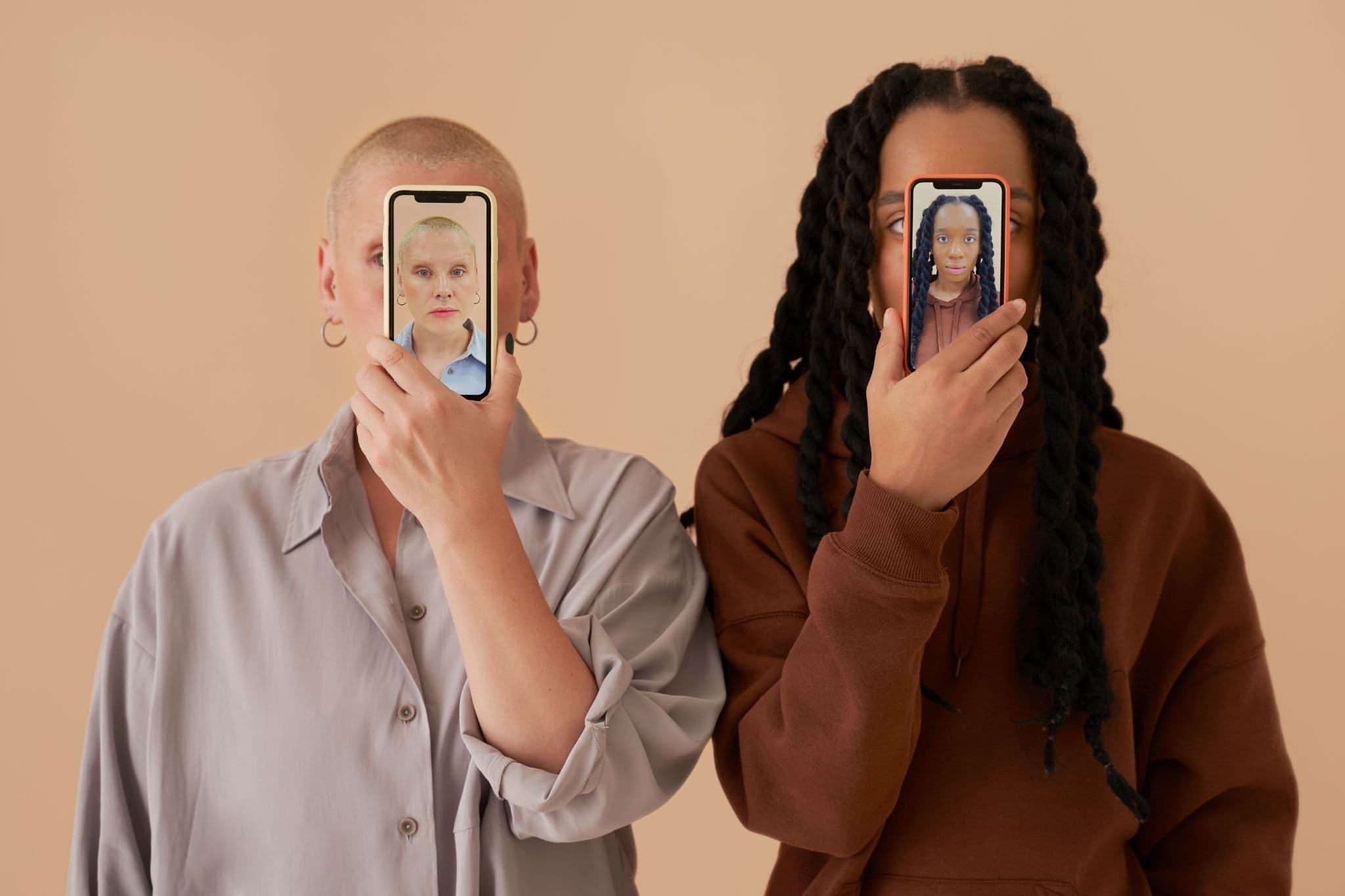
4. Sisi Gelap & Bahaya Nyata Ini bagian yang ngeri. FBI dan ahli siber menempatkan Deepfake sebagai ancaman prioritas tinggi.
- Pornografi Non-Konsensual (NCII): Menurut laporan Sensity AI, 90% lebih konten deepfake di internet adalah pornografi yang menargetkan wanita tanpa izin mereka.
- Penipuan Finansial: Pada 2021, manajer bank di Hong Kong ditipu $35 juta setelah menerima telepon dari suara "direktur" yang dikloning AI.
- Disinformasi Politik: Video palsu kandidat presiden yang dibuat untuk menyebarkan hoax dan memicu kerusuhan sosial.
5. Alat yang Sering Digunakan Teknologi ini makin mudah diakses. Beberapa tools populer (baik untuk riset maupun penyalahgunaan) meliputi:
- DeepFaceLab: Software paling advanced dan banyak digunakan di PC.
- FaceSwap: Open-source tool yang populer di GitHub.
- ElevenLabs: (Untuk Audio) Sangat presisi dalam meniru suara manusia.
6. Cara Mengatasi & Mendeteksi Kita sedang dalam permainan "kucing-kucingan".
- Verifikasi C2PA: Standar industri baru (didukung Microsoft, Adobe) yang menyematkan "tanda air digital" (metadata) pada file asli untuk melacak asal-usul konten.
- Analisis Fisik: Perhatikan kedipan mata yang tidak natural, sinkronisasi bibir yang meleset, atau tekstur kulit yang terlalu halus/blur di bagian tepi wajah.
- Sikap Skeptis: Jangan langsung sebar. Cross-check sumber beritanya.
Kesimpulan Teknologi tidak punya moral; manusialah yang punya. Deepfake sudah ada di sini dan tidak akan pergi. Pertahanan terbaik kita bukan cuma software pendeteksi, tapi literasi digital. Jangan percaya apa yang kamu lihat sebelum kamu memverifikasinya.
The Pitch Creative adalah media independen yang dibangun khusus buat Gen Z. Kami muak dengan omong kosong PR korporat, algoritma yang bikin b*doh, dan berita titipan. Kami menyajikan realita, sebrutal apa pun itu.


