
Silver Man, Golden Child: Mike Octavian and the Systemic Glitch in Jakarta’s Poverty Matrix

The Aesthetic of Survival: When Toxic Paint Becomes a Golden Ticket
Jakarta is never kind to street kids unless you have a bone structure "expensive" enough to monetize. Enter Mike Octavian, the 16-year-old who just hijacked the algorithm of fate. Not long ago, he was a "Silver Man" in the grimy corners of Pasar Baru—standing in the blistering heat, huffing toxic chemical fumes that rot your lungs, all for enough change to help his driver father and fish-seller mother.
But the moment the silver sludge was scrubbed off in a viral makeover, the fashion elite had a collective meltdown. They gasped: "Holy sht, he’s actually hot!"*. Suddenly, Mike was swapped from street dust to the red carpets of Plaza Indonesia Fashion Week (PIFW). He was no longer an object of pity; he became a muse for designers like Sapto Djojokartiko and Harry Halim.
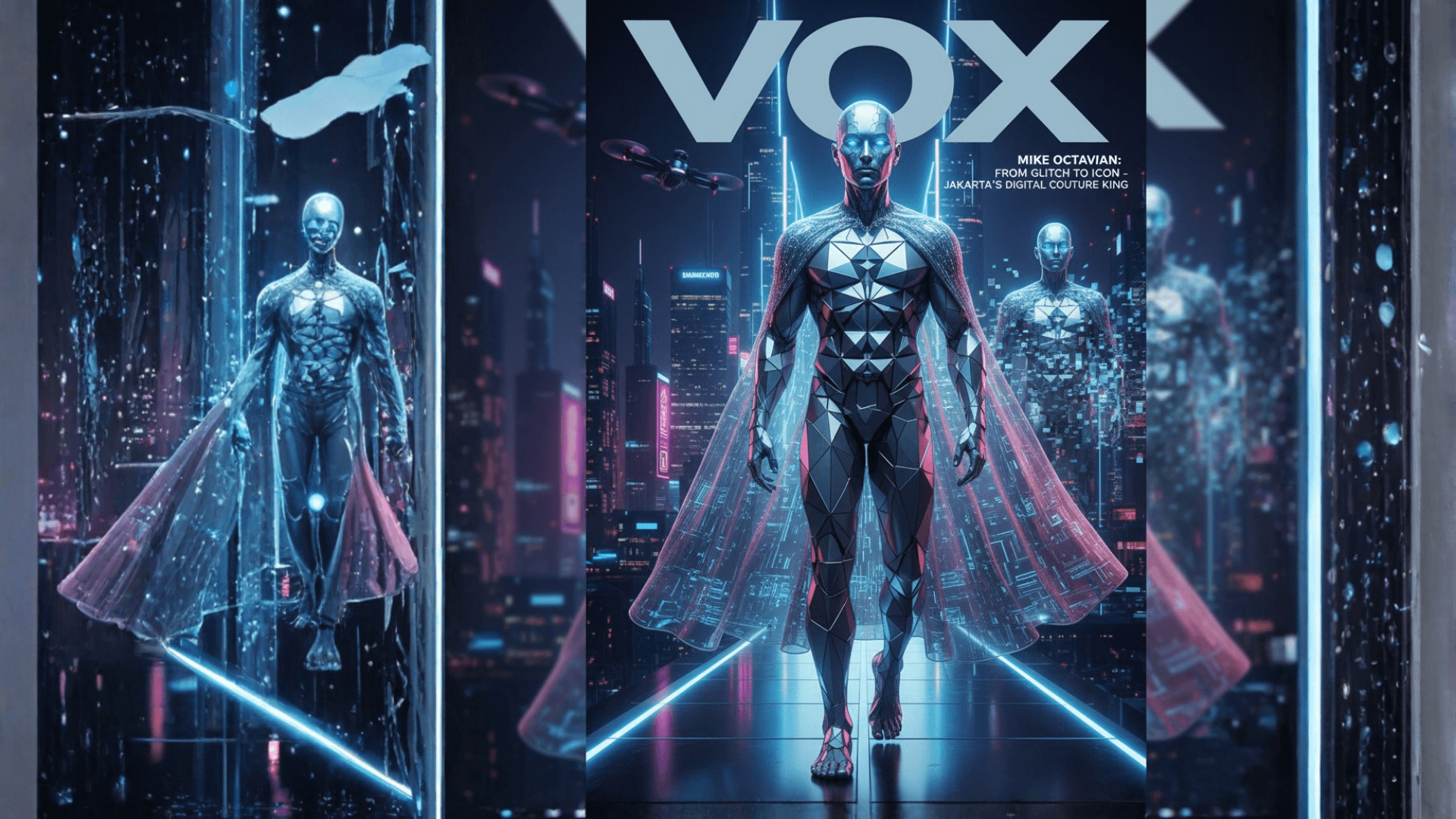
Glow Up or Fetishized Poverty?
I’m not here to sell you some garbage motivational story. Mike is a hero to his family, but his success is a slap in the face to the rest of us. The fashion industry fetishizes the "street-to-star" narrative because it’s a great sell—poverty porn wrapped in high couture. Mike held an ace that millions of other street kids don’t: Dutch-descendant genes and a face that the industry labels as "Expensive."
Now, Korean modeling agencies are sliding into his DMs. Mike is a "glitch" in our poverty cycle—a system that usually offers no exit to those who don’t fit the industry's aesthetic standards. Mike was lucky to escape the "silver trap," but for millions of others at the traffic lights, Jakarta remains a dystopia with no pause button. Mike Octavian is now a commodity—a symbol of the false hope sold to Gen Z: that you can make it, as long as you’re aesthetic enough to be captured on camera.


